

August 13, 2026 · RiseFrst
Best Alarm for Heavy Sleepers: 5 Apps That Actually Work
Discover the best alarm for heavy sleepers, from mission-based wake-up tasks to intelligent sleep tracking. Compare top apps that prevent snoozing and build consistent mo
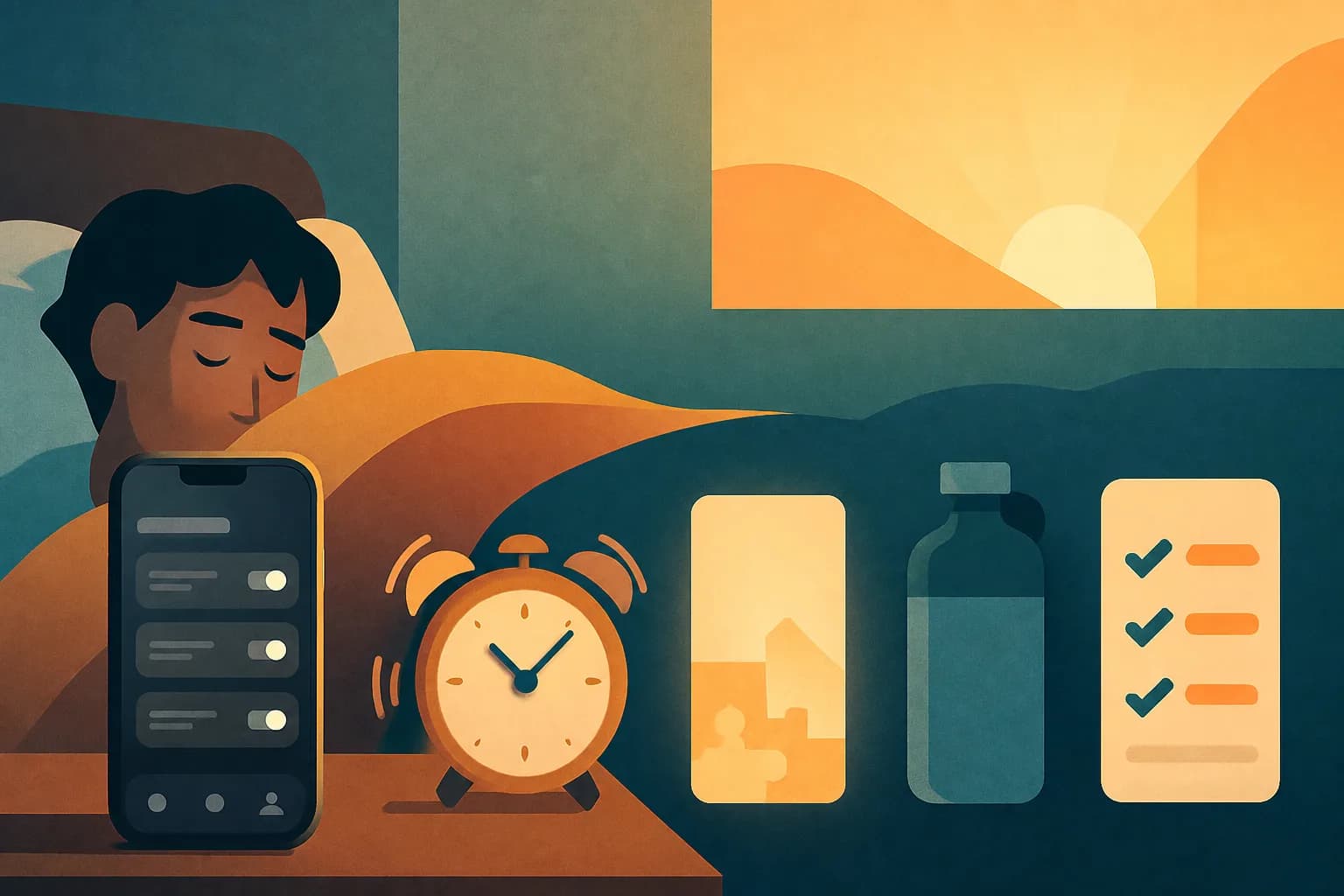
The Best Alarm for Heavy Sleepers: 5 Solutions That Build Consistent Mornings
If you're a heavy sleeper, you know the frustration of sleeping through alarms, hitting snooze repeatedly, or waking up feeling groggy and defeated. A standard alarm clock simply doesn't cut it when you need something more powerful to break through deep sleep and get you out of bed with purpose.
The right alarm for heavy sleepers goes beyond loud sounds. It engages your body and mind, prevents unconscious snoozing, and helps you establish the consistent morning routine that creates real momentum in your day. Whether you need mission-based tasks that require physical movement, intelligent sleep tracking that wakes you at the optimal moment, or sheer volume that refuses to be ignored, today's alarm solutions offer targeted approaches to overcome oversleeping.
This guide compares five effective alarm solutions designed specifically for heavy sleepers, examining their unique approaches to helping you wake up on time and start your day with intention.
Comparison of Alarm Apps for Heavy Sleepers
| Tool | Best for | Standout feature | Asset generation | Starting price |
|---|---|---|---|---|
| RiseFrst | iPhone users struggling with oversleeping, hitting snooze, or establishing productive morning habits, seeking a structured and motivating solution to improve consistency and momentum in their daily start. | iPhone alarm app | — | — |
| Alarmy | Heavy sleepers who need a forceful, task-oriented alarm to prevent oversleeping. | Diverse range of mandatory missions to disable the alarm (e.g., math problems, photo missions, shake to dismiss). | Yes (images, video) | Free with premium subscription |
| Sleep Cycle | Individuals seeking a more natural and less jarring wake-up experience based on sleep analysis. | Intelligent alarm that wakes you during your lightest sleep phase. | Yes (images, video) | Free with premium subscription |
| Dawn: Smart Alarm Clock | Users who want a customizable alarm experience with the option to add tasks and wake up to personalized audio. | Ability to wake up to your favorite music or playlists. | Yes (images) | Free with in-app purchases |
| Sonic Boom Alarm Clock | Heavy sleepers who prioritize sheer volume and an undeniable wake-up call above all else. | Super-loud volume booster and a variety of piercing alarm sounds. | No | Free |
The Challenge of Waking Up: Why Heavy Sleepers Struggle
Heavy sleeping isn't just about being tired. Many people experience deeper sleep cycles, higher arousal thresholds, or have conditioned themselves to tune out standard alarms. When you consistently sleep through your alarm or hit snooze without fully waking, you're not lazy—you're facing a legitimate physiological challenge that requires a more strategic solution.
The snooze button creates its own cycle of problems. Each time you drift back to sleep for those extra nine minutes, you start a new sleep cycle that your body can't complete. This fragmented sleep leads to increased grogginess, a phenomenon called sleep inertia that can last for hours after you finally get up. For heavy sleepers, the ability to silence an alarm without becoming fully conscious makes traditional alarms ineffective.
Environmental factors compound the issue. Sleeping in a dark, quiet room improves sleep quality but also makes it harder to wake up. Your body naturally wants to continue sleeping when conditions remain ideal for rest. Without a compelling reason to get out of bed or a wake-up method that truly engages your awareness, the pull of sleep often wins.
How the Right Alarm Can Transform Your Mornings
The best alarm for heavy sleepers doesn't just make noise—it creates a wake-up experience that requires active participation. By engaging multiple senses, demanding physical movement, or requiring cognitive engagement, these alarms prevent the unconscious dismissal that defeats standard alarm clocks.
Mission-based alarms have proven particularly effective because they create a barrier between you and the snooze button. When you must physically get out of bed to take a photo in your bathroom, solve a math problem, or scan a QR code in your kitchen, you're forcing your body and brain into an awake state. This approach recognizes that the hardest part of waking up is the transition from sleep to full consciousness.
Beyond just waking you up, the right alarm solution helps build consistency. When you wake up at the same time each day and immediately engage in planned activities, you create a reliable rhythm that your body adapts to over time. This consistency makes waking up progressively easier as your circadian rhythm aligns with your schedule. The momentum you build from successful mornings carries through your entire day.
Criteria for Choosing an Alarm for Heavy Sleepers
Selecting the right alarm solution depends on understanding what specifically prevents you from waking up. Heavy sleepers have different needs—some require extreme volume, others need physical engagement, and many benefit from a combination of approaches that address both the physiological and behavioral aspects of oversleeping.
Alarm Dismissal Requirements: Look for alarms that prevent unconscious snoozing. The best options require you to complete a task before the alarm stops. Photo missions, math problems, QR code scanning, or physical activities like shaking your phone create enough engagement to break through sleep inertia. Consider what level of difficulty you need—some people need gentle prompts while others require more demanding challenges.
Customization and Flexibility: Your schedule varies, and your alarm should adapt accordingly. Weekday versus weekend schedules, focused mornings when you have important commitments, and the ability to set different wake-up tasks for different situations all contribute to a solution that works consistently. Look for apps that let you build different alarm profiles rather than forcing one-size-fits-all wake-ups.
Routine Integration: Waking up is just the first step. The most effective alarm solutions help you transition from bed to productive activity by integrating with your morning routine. Whether that means tracking your follow-through on planned activities, providing motivational elements, or building streaks that reinforce your consistency, these features transform a simple alarm into a comprehensive morning habit system.
Sound and Volume Options: While mission-based features prevent snoozing, you still need an alarm sound that actually wakes you. Look for apps with loud volume capabilities, a variety of tones (some frequencies penetrate sleep better than others), and the option to gradually increase volume. If you live with others, consider whether you need headphone compatibility or more localized sound options.
RiseFrst: Featured Tool for Alarm for Heavy Sleepers
RiseFrst takes a mission-based approach specifically designed for iPhone users who struggle with oversleeping and want to build genuine momentum in their mornings. Rather than just making it harder to snooze, RiseFrst connects your wake-up to meaningful actions that jumpstart your day with intention.
The app's photo-based missions require you to physically get out of bed and photograph a specific location or object you've designated during setup. This could be your coffee maker, your bathroom mirror, or any location that gets you moving and engaged. The physical movement combined with the need to properly frame and capture the photo creates enough cognitive and physical engagement to overcome sleep inertia.
What sets RiseFrst apart is its integration of alarm functionality with morning routine building. The iPhone alarm app with mission-based alarms helps you not just wake up, but follow through on the activities you've planned for your morning. Progress tracking and streak features reinforce your consistency, creating visible evidence of your momentum that motivates continued commitment.
Strengths:
- Mission-based alarms prevent unconscious snoozing through required photo tasks
- Flexible alarm setups accommodate weekdays, weekends, and focused mornings
- Morning routine builder helps you transition from waking to productive activity
- Progress and streak tracking reinforces consistency and builds motivation
- Designed specifically for iPhone users with intuitive iOS integration
Best for: iPhone users who want more than just a loud alarm—those seeking a structured system that prevents snoozing while building consistent morning habits that create lasting personal momentum.
Alarmy: The Alarm App That Makes You Solve to Stop
Alarmy has earned its reputation as the "world's most annoying alarm clock" through an extensive array of mandatory missions that prevent you from dismissing your alarm without full engagement. The app's philosophy is simple: make it impossible to turn off the alarm while you're still half-asleep.
The variety of mission types gives you multiple options for breaking through sleep. Math problems force cognitive engagement, photo missions require physical movement, barcode or QR code scanning gets you to a specific location, typing missions demand coordination and focus, and shake-to-dismiss options require sustained physical activity. You can even combine multiple missions for particularly challenging mornings.
Beyond the missions, Alarmy includes a wake-up check feature that verifies you haven't fallen back asleep after dismissing your alarm. If you don't respond to the check within a set timeframe, the alarm starts again. This addresses the common problem of successfully completing a mission but then crawling back into bed.
Strengths:
- Extensive variety of mission types to match different wake-up challenges
- Loud, attention-grabbing alarm sounds
- Wake-up check prevents falling back asleep after dismissing the alarm
- Available on both iOS and Android platforms
Limitations:
- The aggressive approach may feel overwhelming for some users
- Premium features require a subscription for full functionality
- Focus primarily on wake-up rather than broader routine building
Best for: Heavy sleepers who need forceful, task-oriented intervention to prevent oversleeping and are comfortable with a more aggressive wake-up experience.
Sleep Cycle: Intelligent Sleep Tracking for a Gentler Wake-Up
Sleep Cycle approaches the heavy sleeper challenge from a different angle: rather than making the alarm more aggressive, it makes the wake-up timing more intelligent. By analyzing your sleep patterns and waking you during your lightest sleep phase, Sleep Cycle aims to reduce the grogginess that makes getting up so difficult.
The app uses sound analysis to track your sleep cycles throughout the night, identifying periods of light sleep, deep sleep, and REM sleep. You set a wake-up window (typically 30 minutes) rather than a specific time, and Sleep Cycle triggers the alarm when you're in the lightest sleep phase within that window. Waking during light sleep means you're naturally closer to consciousness, making the transition easier.
Sleep Cycle also provides detailed sleep statistics, tracking your sleep quality over time and helping you identify patterns. Sleep aid sounds help you fall asleep, while gentle wake-up melodies create a less jarring morning experience. For heavy sleepers who suspect their difficulty waking stems from consistently being roused from deep sleep, this intelligent timing approach addresses the root cause.
Strengths:
- Intelligent alarm timing reduces sleep inertia and grogginess
- Comprehensive sleep tracking helps you understand and improve sleep quality
- Gentle wake-up melodies create a more pleasant morning experience
- Sleep aid features support better overall sleep
Limitations:
- May not be forceful enough for those who sleep through gentle alarms
- Requires phone placement near the bed for accurate tracking
- Full feature set requires premium subscription
Best for: Individuals who struggle with morning grogginess and want a more natural, less jarring wake-up experience based on their actual sleep patterns.
Dawn: Smart Alarm Clock: Wake Up to Your Favorite Tunes and Tasks
Dawn: Smart Alarm Clock combines traditional alarm reliability with smart customization options, allowing you to create a wake-up experience tailored to your preferences. The standout feature is the ability to wake up to your favorite music or playlists, making the first moments of your day more enjoyable.
The app offers multiple alarm settings with customizable snooze durations, giving you control over how your wake-up experience unfolds. You can integrate tasks or reminders with your alarms, creating a structured transition from waking to action. Gentle wake-up options gradually increase volume, while task integration helps you move immediately into productive morning activities.
For heavy sleepers who respond better to positive motivation than aggressive intervention, Dawn's approach of pairing wake-up with enjoyable audio and structured tasks can create a more sustainable morning routine. The customization options let you experiment with different approaches until you find what consistently gets you out of bed.
Strengths:
- Wake up to personalized music or playlists
- Customizable snooze duration and gentle wake-up options
- Task integration helps structure your morning transition
- Multiple alarm settings for different schedule needs
Limitations:
- May lack the forceful intervention very heavy sleepers require
- Some advanced features require in-app purchases
- Less emphasis on preventing snoozing compared to mission-based apps
Best for: Users who want a customizable alarm experience that combines task integration with personalized audio for a more motivating wake-up.
Sonic Boom Alarm Clock: The Loudest Wake-Up Call
Sonic Boom Alarm Clock takes the most direct approach to the heavy sleeper problem: make the alarm so loud it's impossible to sleep through. With super-loud volume boosting and a variety of piercing alarm sounds, this app prioritizes sheer auditory force above all other features.
The simplicity is intentional. Rather than missions, routines, or intelligent timing, Sonic Boom focuses exclusively on creating an undeniable wake-up call. The shake-to-dismiss option adds a minimal engagement requirement, but the core value proposition is volume. For heavy sleepers who simply don't hear standard alarms, this straightforward solution addresses the immediate problem.
The app's simple interface means there's minimal learning curve or setup complexity. You set the time, choose your piercingly loud sound, and trust that the volume will break through your sleep. While it doesn't offer the routine-building or habit-tracking features of more comprehensive solutions, it excels at its single purpose.
Strengths:
- Extremely loud volume designed to penetrate deep sleep
- Simple, straightforward interface with minimal complexity
- Free with no subscription requirements
- Variety of loud, attention-grabbing alarm sounds
Limitations:
- No mission-based features to prevent unconscious snoozing
- May disturb others sleeping nearby due to extreme volume
- Lacks routine-building or progress-tracking capabilities
- Doesn't address the behavior of falling back asleep after dismissing
Best for: Heavy sleepers who primarily struggle with hearing their alarms and need maximum volume without additional complexity.
Building a Consistent Morning Routine for Lasting Change
The right alarm gets you out of bed, but lasting change comes from what you do next. Heavy sleepers often focus solely on the wake-up moment without considering the routine that follows. However, building a consistent sequence of morning activities creates structure that makes waking up progressively easier over time.
Start with immediate engagement activities that prevent you from crawling back into bed. Physical movement—even something as simple as making your bed immediately upon rising—creates momentum. Exposing yourself to bright light signals your circadian rhythm that it's time to be awake. A glass of water rehydrates your body after sleep. These small actions compound to shift you from a sleep state to an active state.
Consistency matters more than perfection. Waking at the same time every day, including weekends, helps regulate your natural sleep-wake cycle. Your body adapts to predictable patterns, making the transition from sleep to wakefulness smoother over time. While it's tempting to sleep in on days off, maintaining your wake-up time builds the consistency that ultimately makes mornings easier.
Track your progress to maintain motivation. Whether you use streak tracking, morning routine checkboxes, or simple calendar marks, visible evidence of your consistency reinforces your commitment. When you can see that you've successfully woken up on time for 10, 20, or 30 consecutive days, you build confidence and momentum that makes continuing easier than quitting.
Your alarm choice should support this broader routine-building goal. Mission-based alarms that physically move you to a specific location, apps that integrate routine tracking, and solutions that help you transition from waking to action all contribute to sustainable morning habits rather than just addressing the immediate problem of oversleeping.
Conclusion
Finding the best alarm for heavy sleepers means matching your specific challenges with the right wake-up approach. Mission-based solutions like RiseFrst prevent unconscious snoozing while building consistent morning routines. Aggressive task-oriented apps like Alarmy make dismissal impossible without full engagement. Intelligent options like Sleep Cycle optimize timing to reduce grogginess. Customizable solutions like Dawn combine tasks with personalized audio. And straightforward volume-focused apps like Sonic Boom simply refuse to be ignored.
The most effective approach addresses both the immediate challenge of waking up and the longer-term goal of building sustainable morning habits. Start with an alarm that prevents the specific behavior that defeats you—whether that's sleeping through sound, unconsciously hitting snooze, or lacking motivation to get out of bed. Then build a morning routine that creates genuine momentum, using consistency and progress tracking to reinforce your success.
Your mornings set the tone for your entire day. When you wake up on time, follow through on your planned activities, and build visible streaks of consistency, you create momentum that extends far beyond those first few minutes. The right alarm for heavy sleepers isn't just about making noise—it's about creating the structure and motivation that helps you rise first, every single day.
Frequently Asked Questions
What makes an alarm effective for heavy sleepers?
Effective alarms for heavy sleepers require active engagement to dismiss, such as completing photo missions, solving puzzles, or performing physical tasks. These features prevent unconscious snoozing by forcing you to become fully awake before the alarm stops. The best solutions also support routine building and consistency tracking to create lasting morning habits.
How do mission-based alarms prevent snoozing?
Mission-based alarms require you to complete a specific task before they'll turn off, such as photographing a designated location, scanning a QR code, or solving a problem. These tasks demand physical movement and cognitive engagement that break through sleep inertia, making it nearly impossible to dismiss the alarm while still half-asleep and preventing you from immediately returning to bed.
Are loud alarms or smart alarms better for heavy sleepers?
The best choice depends on your specific challenge. If you genuinely don't hear standard alarms, extra-loud options may be necessary. However, if you hear the alarm but unconsciously hit snooze, mission-based or smart alarms that require engagement are more effective. Many heavy sleepers benefit from combining adequate volume with task-based dismissal requirements.
Can alarm apps help build consistent morning routines?
Yes, many modern alarm apps integrate routine-building features beyond just waking you up. Apps like RiseFrst combine mission-based alarms with morning routine tracking and streak monitoring, helping you transition from waking to productive activity while building consistency over time. This comprehensive approach creates lasting behavior change rather than just addressing the immediate wake-up moment.
How long does it take to adjust to a new alarm system?
Most people need 1-2 weeks to fully adjust to a new alarm approach, especially mission-based systems that require physical movement. Initially, the tasks may feel challenging, but your body adapts as you build consistency. The key is maintaining the same wake-up time daily, even on weekends, to regulate your circadian rhythm and make waking progressively easier over time.
Ready to stop hitting snooze and start building the consistent mornings that create real momentum? Discover how RiseFrst's mission-based approach helps you wake up with purpose and follow through on your morning routine.