

August 26, 2026 · RiseFrst
Never Oversleep Again: RiseFrst App to Prevent Oversleeping
Stop hitting snooze and transform your mornings. RiseFrst's mission-based iPhone alarm app helps you prevent oversleeping and build consistent morning routines.
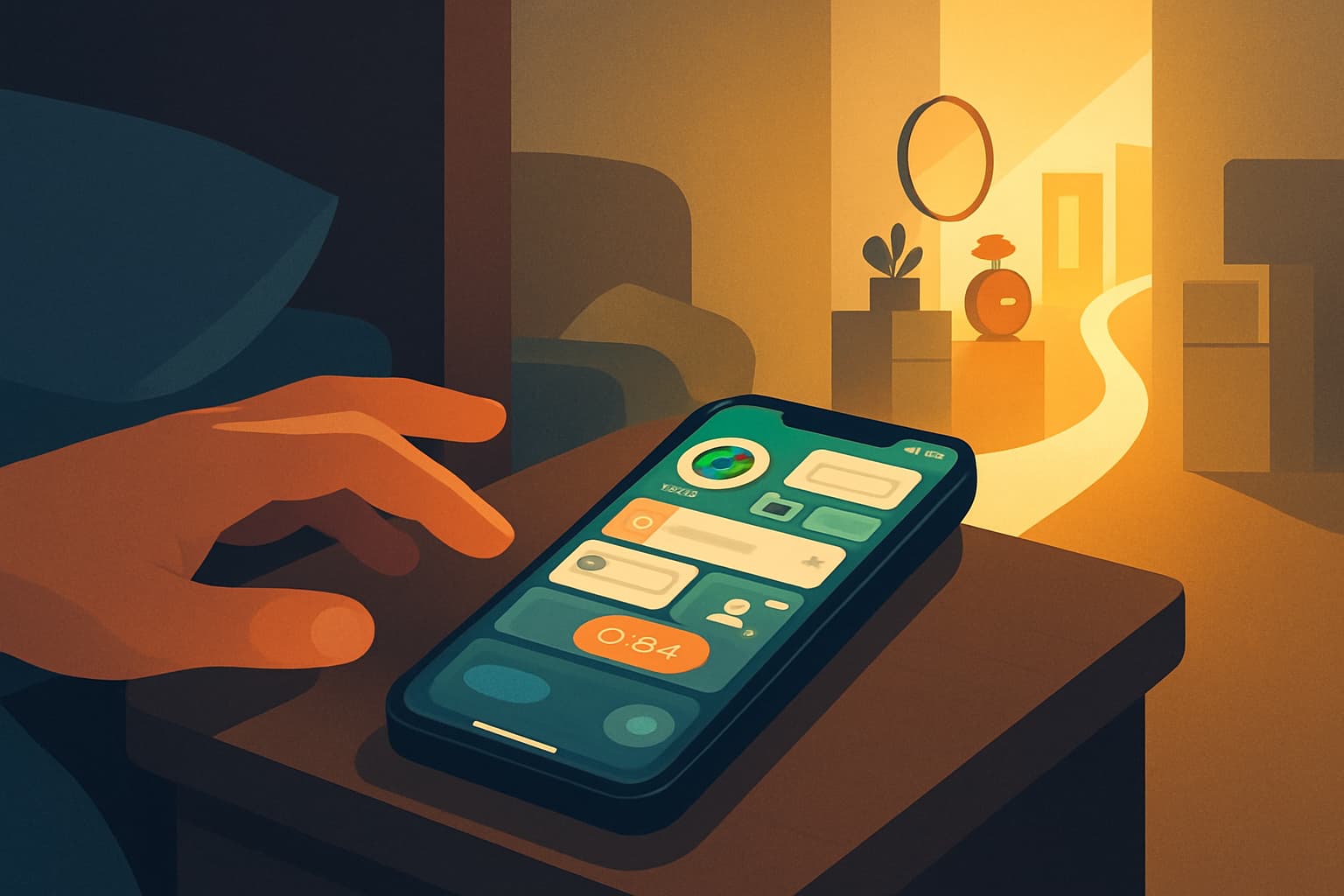
Never Oversleep Again: The RiseFrst App to Prevent Oversleeping
You set your alarm with the best intentions. Tonight will be different. Tomorrow, you'll spring out of bed, tackle your morning routine, and start the day with purpose. But when that alarm sounds, your hand reaches for the snooze button almost automatically. Five more minutes turns into fifteen, then thirty, and suddenly you're scrambling through another rushed, reactive morning.
You're not alone in this struggle, and more importantly, you're not lacking willpower. The truth is that traditional alarms were never designed to address the real challenge of oversleeping. They alert you to the time, but they don't actually help you get up—or stay up. That's where a specialized prevent oversleeping app makes all the difference.
RiseFrst approaches mornings differently. Instead of relying on willpower alone, it uses mission-based alarms and routine-building features to create accountability right when you need it most. By requiring you to complete a specific task before your alarm turns off, RiseFrst transforms your wake-up from a passive moment of resistance into an active step toward the day you want to have. Let's explore why this approach works and how you can finally break free from the snooze cycle.
The Silent Struggle: Why Traditional Alarms Fail Us
The problem with standard iPhone alarms isn't the sound—it's what happens in those first few seconds after they go off. Your brain, still foggy from sleep, faces a simple choice: engage with the day or retreat back into comfort. Without any real obstacle, the path of least resistance always wins.
Research on habit formation shows that our brains are wired to conserve energy and seek immediate comfort. When your alarm rings, you're not making a rational decision about your day's priorities. Instead, you're operating on autopilot, following the neural pathway that's been reinforced countless times before: reach for phone, tap snooze, return to pillow.
This pattern becomes particularly entrenched because hitting snooze provides instant relief. That momentary decision feels good, even though you know you'll regret it minutes later. Your brain registers this as a reward, strengthening the habit loop. Tomorrow morning, the same pattern will be even easier to follow.
Traditional alarms also fail because they exist in isolation. They wake you up—or try to—but then abandon you to navigate the critical transition period alone. Without structure or accountability for what comes next, it's easy to drift back to sleep or waste the momentum you had when first opening your eyes. You need more than a sound; you need a system.
Beyond the Beep: How 'Prevent Oversleeping Apps' Work Their Magic
Effective prevent oversleeping apps leverage behavioral psychology to interrupt automatic patterns and create new ones. The most successful approaches share several key principles that make them fundamentally different from standard alarms.
First, they introduce friction at the exact moment you're most vulnerable to making a poor choice. By requiring you to complete a task—whether solving a math problem, scanning a QR code, or taking a specific photo—these apps force cognitive and physical engagement. You can't dismiss them on autopilot. Your brain has to wake up enough to complete the mission, and by that point, the hardest part is already done.
Second, the best apps extend beyond the wake-up moment to guide you through the transition into your day. Getting out of bed is only the first step; what you do in the following minutes determines whether you maintain that momentum or slide back into old patterns. Apps that incorporate routine building help you channel that initial victory into productive habits.
Third, they provide accountability and positive reinforcement through progress tracking. Seeing your streak grow or reviewing your consistency over time taps into our natural desire for achievement. These visible markers of progress transform abstract goals like "wake up earlier" into concrete evidence of change.
The most important shift these apps create is psychological. They reframe your morning from a battle against the snooze button into a series of small, achievable wins. Each completed mission reinforces your identity as someone who follows through, building confidence that extends far beyond your morning routine.
RiseFrst's Blueprint: Mission-Based Alarms for Consistent Mornings
RiseFrst takes the mission-based approach and refines it specifically for iPhone users who want to build lasting change. Rather than overwhelming you with complexity, it focuses on making your mornings predictably successful through three core elements.
Photo-Based Missions That Get You Moving
When your RiseFrst alarm sounds, you can't simply tap a button to silence it. Instead, you need to get up, walk to a specific location, and take a photo of a predetermined object to turn off the alarm. You might choose your coffee maker, bathroom mirror, or even something outside like your car.
This simple requirement accomplishes several things simultaneously. First, it gets you physically out of bed and moving, which naturally increases alertness. Second, it takes you to a location associated with your next intended activity, reducing the friction to actually start that activity. If you're standing in front of your coffee maker with your phone in hand, you're far more likely to actually make that coffee than if you'd dismissed an alarm from bed.
The photo-based mission also provides built-in flexibility. You can adjust the difficulty by choosing locations at different distances from your bed. Starting with something nearby helps build the habit, while gradually moving to more distant locations (like something outside) creates stronger accountability as your consistency improves.
Flexible Alarm Configurations for Real Life
Consistency doesn't mean rigidity. RiseFrst recognizes that your weekday mornings might look different from weekends, and some days require an earlier or more focused start than others.
The app allows you to create different alarm setups for different situations. Your weekday alarm might wake you at 6:00 AM with a mission to photograph your workout clothes, while your weekend alarm gives you an extra hour and a gentler mission. You can also create special configurations for mornings when you need to catch an early flight or have an important presentation.
This flexibility prevents the all-or-nothing thinking that often derails habit formation. You don't have to choose between being perfectly consistent and completely abandoning your routine. Instead, you adapt your approach to fit your circumstances while maintaining the core practice of mission-based wake-ups.
Accountability That Respects Your Autonomy
Unlike some aggressive alarm apps that make it nearly impossible to disable the alarm (sometimes requiring uninstalling the app), RiseFrst balances accountability with respect for your judgment. The app makes it harder to oversleep by requiring deliberate action, but it doesn't trap you in situations where you genuinely need flexibility.
This approach aligns with sustainable behavior change principles. When you feel forced or manipulated, you're more likely to abandon the tool entirely. When you feel supported and respected, you're more likely to stick with it through the inevitable rough mornings.
Building Momentum: Crafting Your Ideal Morning Routine with RiseFrst
Getting out of bed is the foundation, but what you do next determines whether that early wake-up actually improves your day. RiseFrst's morning routine builder helps you transform those first crucial minutes into a launchpad for productivity and well-being.
Designing Your Morning Sequence
The routine builder lets you map out the specific activities you want to accomplish after your alarm mission. You might include steps like:
- Making your bed (completing a small task builds momentum)
- Drinking a glass of water (rehydrating after sleep improves alertness)
- Five minutes of stretching or movement
- Reviewing your top three priorities for the day
- A brief meditation or journaling session
The key is to keep your routine realistic, especially when starting out. Three to five meaningful activities that take 15-30 minutes total are far more sustainable than an ambitious hour-long routine you'll abandon by day three. You can always add more as your consistency strengthens.
By defining your routine within the app, you remove the decision fatigue that often derails mornings. You don't have to wonder what to do next or decide whether each activity is worth the effort. You simply follow the sequence you committed to when you were thinking clearly.
The Psychology of Sequential Wins
Completing your alarm mission creates your first win of the day. Following through with each routine item adds another. This accumulation of small victories generates genuine momentum—both psychological and physiological.
Each completed task reinforces your self-image as someone who follows through on commitments. This identity shift is more powerful than any external motivation because it comes from observed evidence of your own behavior. You're not trying to become a morning person; you're simply recognizing that you already are one.
The routine also serves as a buffer against the digital distractions that often hijack mornings. Instead of immediately checking email or social media, you're engaged in intentional activities that serve your goals. By the time you do look at your phone for communication, you've already secured your most important wins.
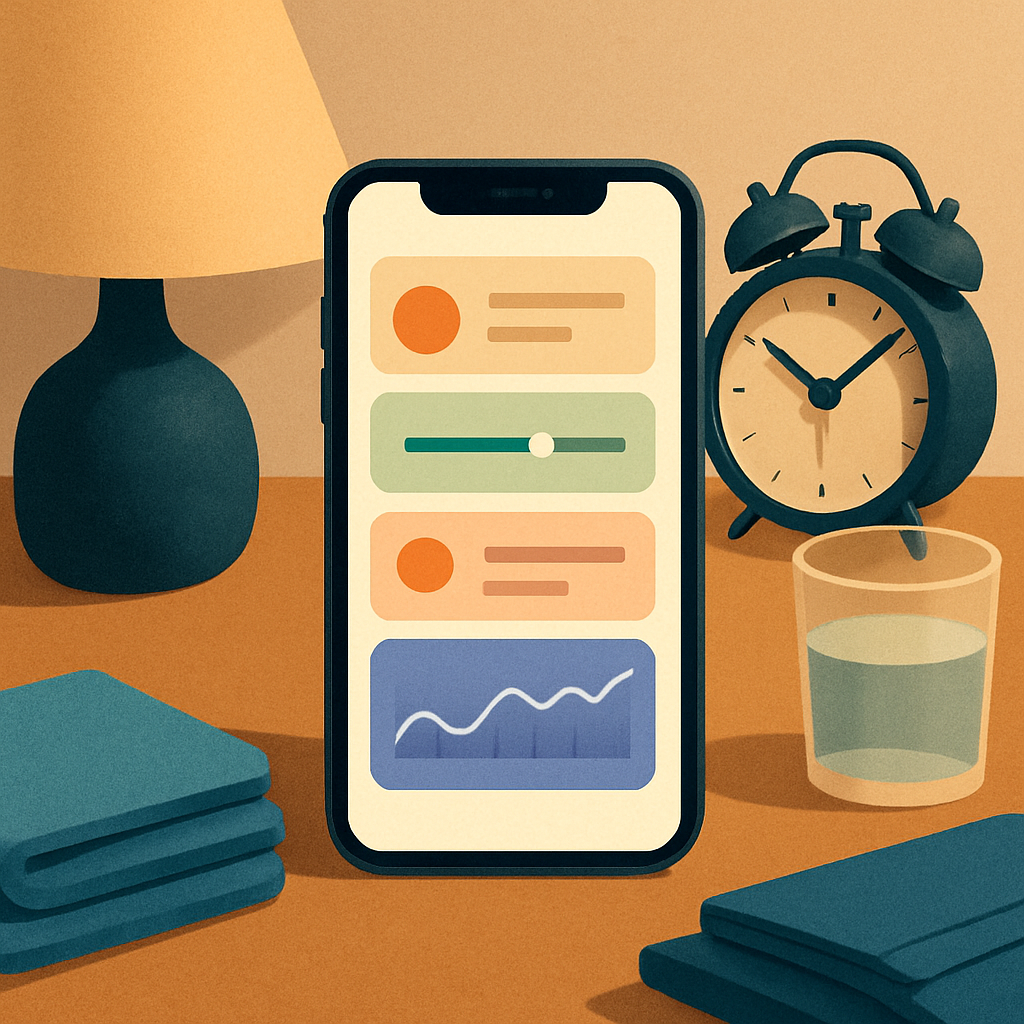
From Snooze to Success: Tracking Progress and Sustaining Your Streak
Behavior change requires feedback. Without visible evidence of your progress, it's easy to underestimate how far you've come or lose motivation during temporary setbacks. RiseFrst's tracking features transform abstract improvement into concrete data you can see and celebrate.
Your Streak: A Visual Commitment Device
The app tracks your consecutive days of successful wake-ups, displaying your current streak prominently. This simple number becomes surprisingly motivating. At day three, you don't want to break the chain. At day ten, you've invested too much to quit now. At day thirty, you're protecting something genuinely valuable.
Streaks work because they make your commitment visible and create a small cost to giving up. Breaking a three-day streak feels different than breaking a thirty-day streak. This psychological leverage helps you push through the mornings when motivation is low but your routine needs to continue.
Importantly, RiseFrst's approach to streaks emphasizes progress over perfection. If you do miss a morning, the app helps you understand what happened and get back on track rather than making you feel like you've failed completely. Your longest streak remains visible as a reminder of what you're capable of achieving.
Progress Patterns That Reveal Your Growth
Beyond daily streaks, the app provides longer-term views of your consistency. You can see patterns across weeks and months, identifying which days tend to be strongest and which might need additional support.
This data helps you make better decisions about your routine. If you notice that Mondays are consistently difficult, you might adjust your Sunday evening routine to set yourself up for better sleep. If weekend mornings are where you struggle, you might create a different mission that accounts for your different mindset.
The progress view also provides motivation during plateaus. Even if you're not currently on a long streak, you can see that your overall consistency this month is 80%—far better than the 30% from before you started using a prevent oversleeping app. That bigger picture keeps you oriented toward long-term improvement rather than short-term perfection.
Celebrating Milestones and Sustaining Momentum
RiseFrst marks significant achievements—your first seven-day streak, thirty consecutive mornings, 90% consistency for a month—with recognition that reinforces your progress. These celebrations matter because they acknowledge the real effort you're investing.
Sustaining any habit long-term requires connecting your daily actions to larger meaning. The app helps you see how your morning consistency correlates with other improvements in your life. When you're consistently getting up on time, you're probably also more productive at work, more present with family, and more satisfied with how you're spending your days.
This connection between your morning routine and your broader life quality is what transforms a prevent oversleeping app from a tool you use into a practice you maintain. You're not just avoiding the snooze button—you're building the foundation for the life you actually want to live.
Making the Shift: Your First Week with RiseFrst
Knowing how an app works and actually using it to change your behavior are two different things. Here's how to set yourself up for success during that critical first week.
Night Before Preparation: Your morning success often depends on your evening setup. Choose your alarm mission location before going to bed. Make sure your phone is charged and within reach (but not so close that you can reach the mission object from bed). Set out anything you'll need for your morning routine.
Start with One Mission: Don't try to revolutionize your entire life on day one. Begin with a single photo mission that requires getting out of bed but isn't overly complicated. Your bathroom mirror or kitchen coffee maker works well. Save the more challenging outdoor missions for after you've built some consistency.
Keep Your First Routine Short: Choose three to five simple activities that take 15-20 minutes total. You're building the habit of following through, not trying to win the productivity Olympics. You can expand your routine after you've proven to yourself that you can stick with it.
Expect Resistance: Your first few mornings might feel difficult. That's normal and expected—you're fighting against established patterns. The key is to complete your mission anyway, even if it feels hard. By day four or five, you'll notice it's already easier.
Track Everything: Pay attention to how you feel after completing your morning routine versus mornings when you hit snooze. Notice the difference in your energy, mood, and productivity. This self-awareness reinforces why the effort matters and helps sustain your motivation.
Conclusion
Oversleeping isn't a character flaw—it's a habit pattern that traditional alarms simply can't address. The cycle of hitting snooze, rushing through mornings, and starting each day in reactive mode continues until you change the system itself.
A prevent oversleeping app like RiseFrst changes that system by introducing accountability exactly when and where you need it most. Mission-based alarms get you out of bed and moving. Routine building channels that momentum into productive habits. Progress tracking provides the feedback and motivation to sustain your consistency through weeks and months of gradual improvement.
The transformation isn't about becoming a different person. It's about creating conditions where the person you already want to be can show up consistently. Each morning you complete your mission and routine, you're not just avoiding oversleeping—you're proving to yourself that you're capable of following through on commitments, even difficult ones.
Your mornings set the tone for everything that follows. When you start the day with intention, momentum, and small wins, that energy carries forward into your work, relationships, and personal goals. When you start by hitting snooze and scrambling to catch up, you're already behind before you've begun.
The gap between these two experiences is simply a choice—not a one-time choice, but a daily practice of choosing action over comfort, structure over chaos, consistency over convenience. RiseFrst exists to make that choice easier, to support you through the difficult early days, and to celebrate with you as those daily choices compound into lasting change.
Your best mornings aren't about perfect circumstances or superhuman willpower. They're about having the right system in place and showing up one day at a time. The question isn't whether you can do it—it's whether you're ready to start.
Frequently Asked Questions
How does a prevent oversleeping app differ from my iPhone's built-in alarm?
Standard iPhone alarms can be dismissed with a simple tap, making it easy to hit snooze while half-asleep. A prevent oversleeping app like RiseFrst requires you to complete a task—such as taking a photo of a specific object—before the alarm turns off. This forces physical movement and cognitive engagement, making it much harder to fall back asleep and helping you actually get up and stay up.
What if I need to turn off the alarm in an emergency?
RiseFrst balances accountability with flexibility. While the app makes it deliberately harder to dismiss alarms casually, you maintain control over your device. The goal is to create helpful friction that breaks automatic snooze habits, not to trap you. If you genuinely need to adjust or disable an alarm, you can do so, though the app encourages you to complete your mission first.
How long does it take to stop hitting snooze using RiseFrst?
Most users notice significant improvement within the first week as the mission-based alarms interrupt their automatic snooze patterns. However, building a truly consistent morning routine typically takes 2-4 weeks of regular use. The app's streak tracking helps you stay motivated through this habit formation period, and progress continues to improve with sustained use.
Can I use different alarm settings for weekdays versus weekends?
Yes, RiseFrst supports flexible alarm configurations. You can create separate alarm setups for weekdays, weekends, and special occasions. This allows you to maintain consistency in your wake-up practice while adapting to your schedule's natural rhythms. Your weekend alarm might be later with a different mission, while still keeping you accountable to getting up rather than oversleeping.
Will the app work if I'm a really heavy sleeper?
Mission-based alarms are particularly effective for heavy sleepers because they require you to physically get up and move to a different location. Unlike standard alarms you can dismiss while barely conscious, RiseFrst's photo missions demand enough engagement that you're genuinely awake by the time you complete them. Start with a mission location that's just far enough from your bed to require full movement, then increase the distance as your consistency improves.
Ready to break free from the snooze cycle and build mornings that set you up for success? Download RiseFrst today and start your journey toward consistent, productive mornings. Your first mission-based wake-up is just one download away—and it might be the most important step you take toward the momentum you've been seeking.