

September 2, 2026 · RiseFrst
Wake Up Challenge App: Make Mornings Exciting | RiseFrst
Discover how a wake up challenge app transforms your morning routine. RiseFrst uses mission-based alarms to help iPhone users overcome snoozing and build lasting habits.
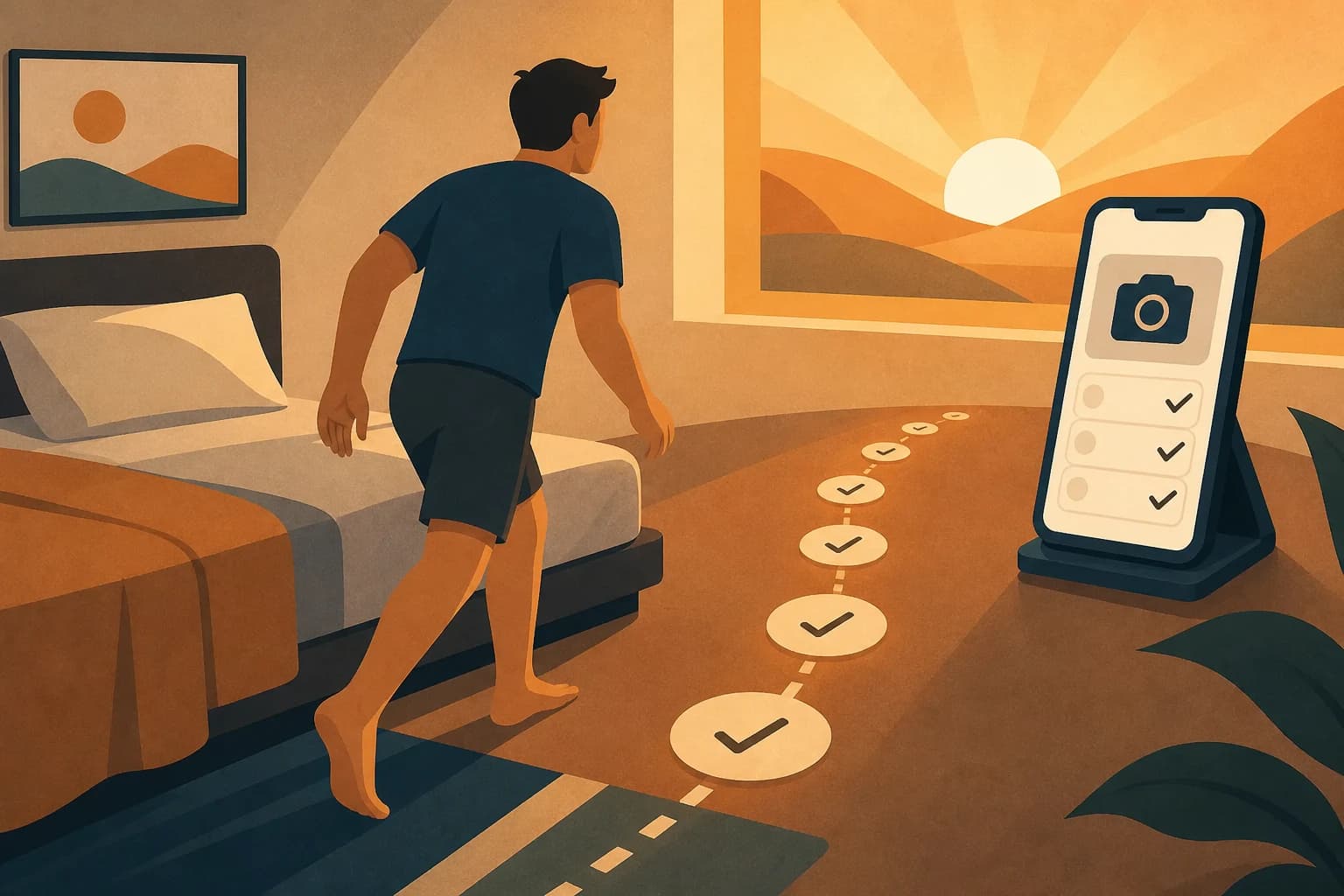
Take the Wake Up Challenge: RiseFrst Makes Mornings Exciting
Every morning, millions of iPhone users face the same battle: the snooze button. What starts as "just five more minutes" quickly becomes 20, 30, or even 60 minutes of fragmented sleep that leaves you rushing through your morning and playing catch-up all day. If you've tried setting multiple alarms, moving your phone across the room, or downloading yet another basic alarm app only to fall back into old patterns, you're not alone—and more importantly, you're not without options.
A wake up challenge app transforms your alarm from a simple notification into an engaging, purposeful experience that demands your attention and kickstarts your day with intention. Instead of passively dismissing an alert, you complete meaningful tasks that fully wake your brain, activate your body, and set a positive tone for the hours ahead. This shift from passive to active morning engagement is what separates those who struggle with consistency from those who build unstoppable momentum.
Why Traditional Alarms Fail: The Snooze Button Trap
The fundamental problem with standard alarms isn't the sound—it's the simplicity. When you can silence an alarm with a single tap while still half-asleep, you're not making a conscious decision to start your day. You're operating on autopilot, and autopilot mode almost always chooses more sleep over productivity.
Research on habit formation shows that our brains are wired to take the path of least resistance, especially in our drowsy, decision-fatigued state upon waking. A traditional alarm requires minimal cognitive engagement to dismiss, which means your prefrontal cortex—the part of your brain responsible for decision-making and self-control—never fully activates. You hit snooze before you're truly conscious of the choice you're making.
This creates a cycle of inconsistency. Some mornings you manage to get up on the first alarm, feeling accomplished and motivated. Other days, you snooze repeatedly, starting your day with guilt and the frustration of being behind schedule. This inconsistency undermines your ability to build the reliable morning routine that supports your goals.
The psychological impact extends beyond just being late. When you repeatedly fail to honor your commitment to wake up at a chosen time, you gradually erode your self-trust. Each snooze becomes evidence that you can't rely on yourself to follow through, which affects your confidence in establishing other positive habits throughout the day.
The Power of a Wake Up Challenge: Beyond Just Waking Up
A wake up challenge fundamentally reimagines what an alarm can be. Instead of simply alerting you to the time, it creates a structured experience that bridges the gap between sleep and full wakefulness. By requiring you to complete specific tasks before the alarm can be dismissed, these apps ensure you're genuinely awake and mentally engaged before your day officially begins.
The challenge aspect introduces accountability in a way that feels motivating rather than punitive. When you must take a photo of your bathroom sink, solve a puzzle, or complete a brief physical task, you're activating multiple systems: visual processing, motor control, spatial awareness, and decision-making. This multi-system engagement is precisely what your brain needs to transition out of sleep mode.
Beyond the immediate wake-up benefit, the challenge framework taps into our natural drive for achievement and progress. Humans are motivated by visible improvement, which is why tracking streaks and progress becomes such a powerful tool for habit formation. When you see that you've successfully completed your wake-up challenge for seven consecutive days, you're far more motivated to maintain that streak than to break it for a few extra minutes of low-quality sleep.
The structured nature of a challenge also removes decision fatigue from your morning. Instead of negotiating with yourself about whether to get up, you have a clear, non-negotiable task to complete. This clarity transforms a daily internal debate into a simple action sequence, conserving mental energy for more important decisions later in the day.
Key Features of an Effective Wake Up Challenge App
Not all wake up challenge apps are created equal. The most effective solutions share several core characteristics that directly address the psychology of habit formation and motivation.
Mission-Based Alarms
The cornerstone of any effective wake up challenge app is its mission system. Photo-based tasks, for example, require you to physically move to a specific location and engage with your environment. This ensures you're out of bed and in a different context, making it psychologically difficult to simply return to sleep. The key is that these missions should be customizable to your specific living situation and morning goals.
Flexibility for Real Life
Your Monday morning needs differ from your Saturday morning. An effective app recognizes this by allowing you to set different challenges for weekdays versus weekends, or create special "focused morning" configurations for particularly important days. This flexibility prevents the all-or-nothing thinking that often derails habit formation—you can maintain consistency while adapting to your actual life circumstances.
Progress and Streak Tracking
Visual feedback on your consistency creates powerful motivation. Seeing your streak grow day after day provides concrete evidence of your commitment and capability. This tracking shouldn't just count successful wake-ups; it should help you identify patterns, celebrate milestones, and understand what conditions support your success.
Integration with Morning Routines
Waking up is just the first step. The best wake up challenge apps connect your alarm to a broader morning routine, helping you build a complete sequence of positive habits that compound over time. This integration ensures that the momentum from conquering your wake-up challenge carries through to other productive activities.
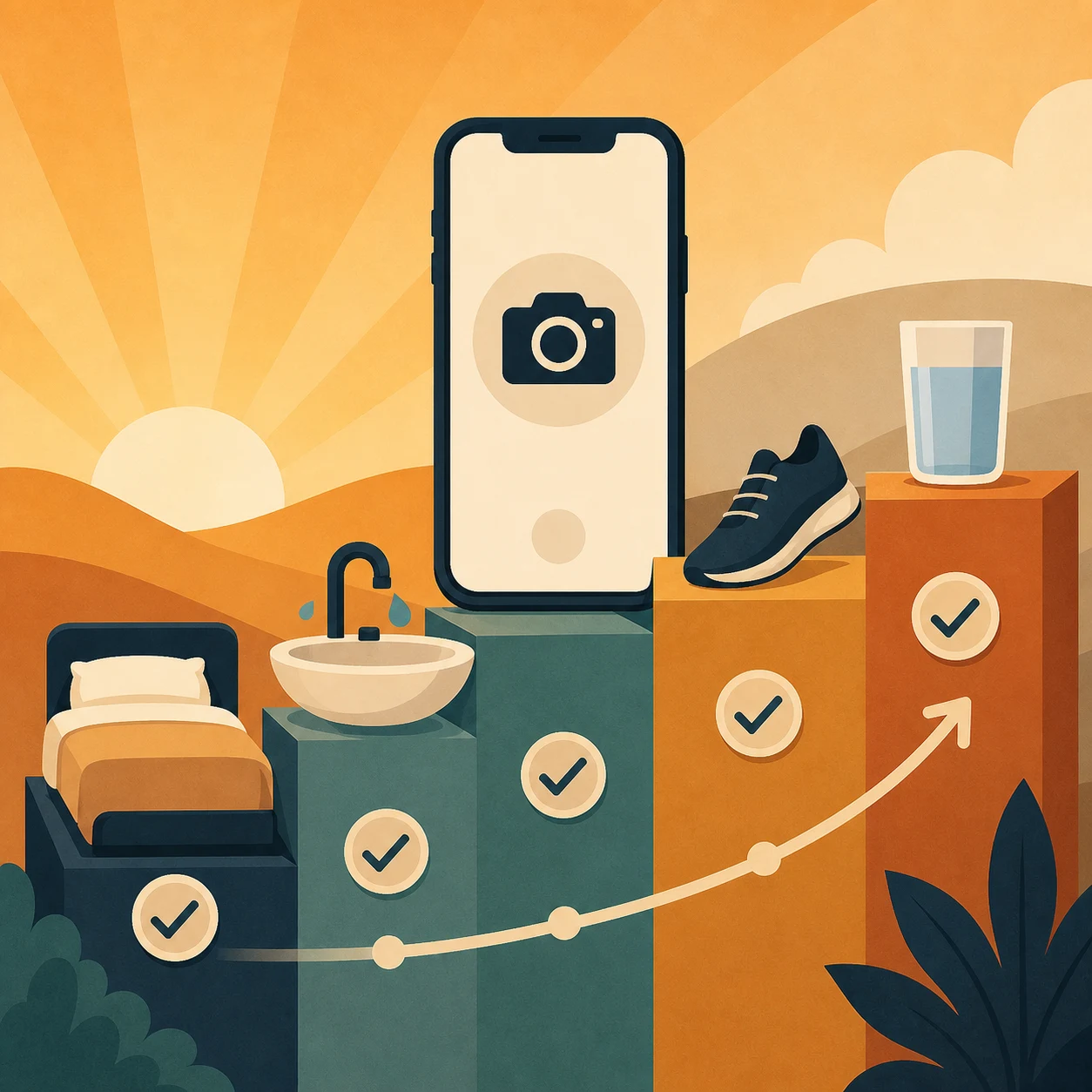
Building Your Morning Momentum: How Challenges Foster Consistency
Consistency is the foundation of every successful habit, and morning consistency is particularly powerful because it sets the tone for your entire day. When you wake up at your intended time and complete your morning challenge, you start the day with a win—and that psychological boost influences every subsequent decision.
The concept of momentum is central to understanding why wake up challenges work. Physics teaches us that an object in motion tends to stay in motion, and the same principle applies to human behavior. When you've already accomplished something meaningful (like getting out of bed and completing a task when you didn't feel like it), you've activated your productive mindset. You're far more likely to follow through on your exercise routine, healthy breakfast, or focused work session because you've already proven to yourself that you can overcome resistance.
Challenges create a structure that supports consistency even when motivation is low. On days when you genuinely don't feel like getting up—and those days will come—the non-negotiable nature of a challenge carries you through. You're not relying on willpower or feeling motivated; you're simply completing the required task because that's what the system demands.
This shift from motivation-dependent to system-dependent behavior is transformative. Motivation is unreliable and fluctuates based on countless factors outside your control. Systems and structures, however, create consistent results regardless of how you feel. By building a wake-up system through challenge-based alarms, you remove the variability that undermines most people's morning routines.
RiseFrst: Your Partner in Conquering the Morning
RiseFrst was built specifically for iPhone users who are tired of losing the morning battle. As an iPhone alarm app with mission-based alarms, RiseFrst understands that you don't need another simple alarm—you need a comprehensive system that addresses the root causes of oversleeping and inconsistent routines.
The app's mission-based alarm system requires you to take photos of specific locations or objects before your alarm can be dismissed. This means you might need to photograph your coffee maker in the kitchen, your running shoes by the door, or your toothbrush in the bathroom. By the time you've walked to that location, found the object, and taken the photo, you're genuinely awake and significantly less likely to crawl back into bed.
What sets RiseFrst apart is its focus on building complete morning routines, not just waking you up. The app helps you sequence your morning activities, track your consistency across multiple habits, and see your progress over time. This comprehensive approach recognizes that a successful morning isn't just about opening your eyes at a certain time—it's about initiating a series of positive behaviors that compound throughout the day.
The flexible alarm configurations in RiseFrst acknowledge that your life isn't one-dimensional. You can create different wake-up challenges for weekdays when you need to be at work, weekends when you have more flexibility, or special "focused mornings" when you're working on an important project or preparing for a significant event. This flexibility means you can maintain consistency while adapting to your actual schedule and priorities.
Progress tracking creates the visible momentum you need to stay committed. When you can see your streak of successful wake-ups growing, when you notice patterns in what helps you succeed, and when you celebrate milestones like 30 or 100 consecutive days of conquering your morning—these tangible markers of progress fuel your continued commitment. You're not just hoping you'll get better at mornings; you're watching yourself improve in real-time.
Getting Started with Your Wake Up Challenge
Beginning your wake up challenge journey doesn't require a complete morning overhaul on day one. In fact, sustainable change typically comes from starting small and building progressively.
Start by choosing a wake-up time that's realistic but meaningful—perhaps 15-30 minutes earlier than you currently wake up. Select a mission that requires you to leave your bedroom but isn't so complicated that you'll be tempted to skip it. A photo of your bathroom sink or kitchen counter is often ideal for beginners.
Commit to your challenge for at least seven consecutive days before evaluating results. This initial week allows your body and mind to adjust to the new routine without the pressure of perfection. Some mornings will feel easier than others, and that's completely normal. The goal is consistency, not perfection.
As you build your streak, gradually add elements to your morning routine. Once waking up at your target time feels more natural, consider adding a brief workout, a healthy breakfast, or a few minutes of planning your day. These additional habits become easier to maintain because they're anchored to the consistent foundation of your wake-up challenge.
Pay attention to what supports your success. Do you need to adjust your bedtime to ensure adequate sleep? Does placing your phone across the room before bed help prevent late-night scrolling? Are certain mission locations more effective than others? Use this self-knowledge to refine your system over time.
Conclusion
The difference between people who consistently win their mornings and those who struggle isn't willpower or natural tendency—it's having the right system in place. A wake up challenge app provides that system, transforming your alarm from a easily-ignored notification into an engaging experience that ensures you start each day with intention and momentum.
For iPhone users who have struggled with oversleeping, chronic snoozing, or inconsistent morning routines, mission-based alarms offer a practical solution that addresses the psychological and behavioral barriers to consistent wake-ups. By requiring genuine engagement, providing flexibility for real life, and tracking your progress over time, the right wake up challenge app becomes more than a tool—it becomes your partner in building the morning routine that supports your goals.
The morning sets the tone for everything that follows. When you conquer your wake-up challenge, you start the day with proof of your capability, evidence of your commitment, and the momentum to carry that success through to everything else you want to accomplish. That's not just about waking up—it's about rising first to claim your day, your goals, and your potential.
Frequently Asked Questions
What makes a wake up challenge app different from a regular alarm app?
A wake up challenge app requires you to complete specific tasks—like taking photos, solving puzzles, or physical activities—before you can dismiss the alarm. This ensures you're genuinely awake and mentally engaged, unlike regular alarms that can be snoozed with a single tap while you're still half-asleep.
How do mission-based alarms help with oversleeping?
Mission-based alarms require you to physically move to a different location and complete a task, such as photographing your bathroom sink or coffee maker. By the time you've walked to that location and taken the photo, you've activated multiple brain systems and are out of bed, making it much harder to return to sleep.
Can I use different wake-up challenges for weekdays and weekends?
Yes, effective wake up challenge apps like RiseFrst allow you to create different alarm configurations for weekdays, weekends, or special focused mornings. This flexibility helps you maintain consistency while adapting to your actual schedule and varying morning priorities.
How long does it take to build a consistent morning routine with a wake up challenge?
Most people begin to see improvements within the first week, but building a truly consistent routine typically takes 3-4 weeks of daily practice. The key is starting with a realistic wake-up time and a simple mission, then gradually building additional morning habits as your consistency improves.
What if I'm not naturally a morning person?
Wake up challenge apps work regardless of whether you consider yourself a morning person because they rely on systems rather than motivation. The structured tasks ensure you wake up consistently, and over time, this consistency helps shift your circadian rhythm and makes mornings feel more natural.
Ready to transform your mornings from a daily battle into a source of momentum? Download RiseFrst and take your wake up challenge today. Build the consistent morning routine that supports your goals, one successful wake-up at a time.