

August 27, 2026 · RiseFrst
Wake Up Tasks App: Mission-Based Alarms for iPhone | RiseFrst
Discover how a wake up tasks app transforms your mornings. RiseFrst uses mission-based alarms to help iPhone users break the snooze habit and build consistent routines.
Beyond the Buzz: Wake Up with Purposeful Tasks using RiseFrst
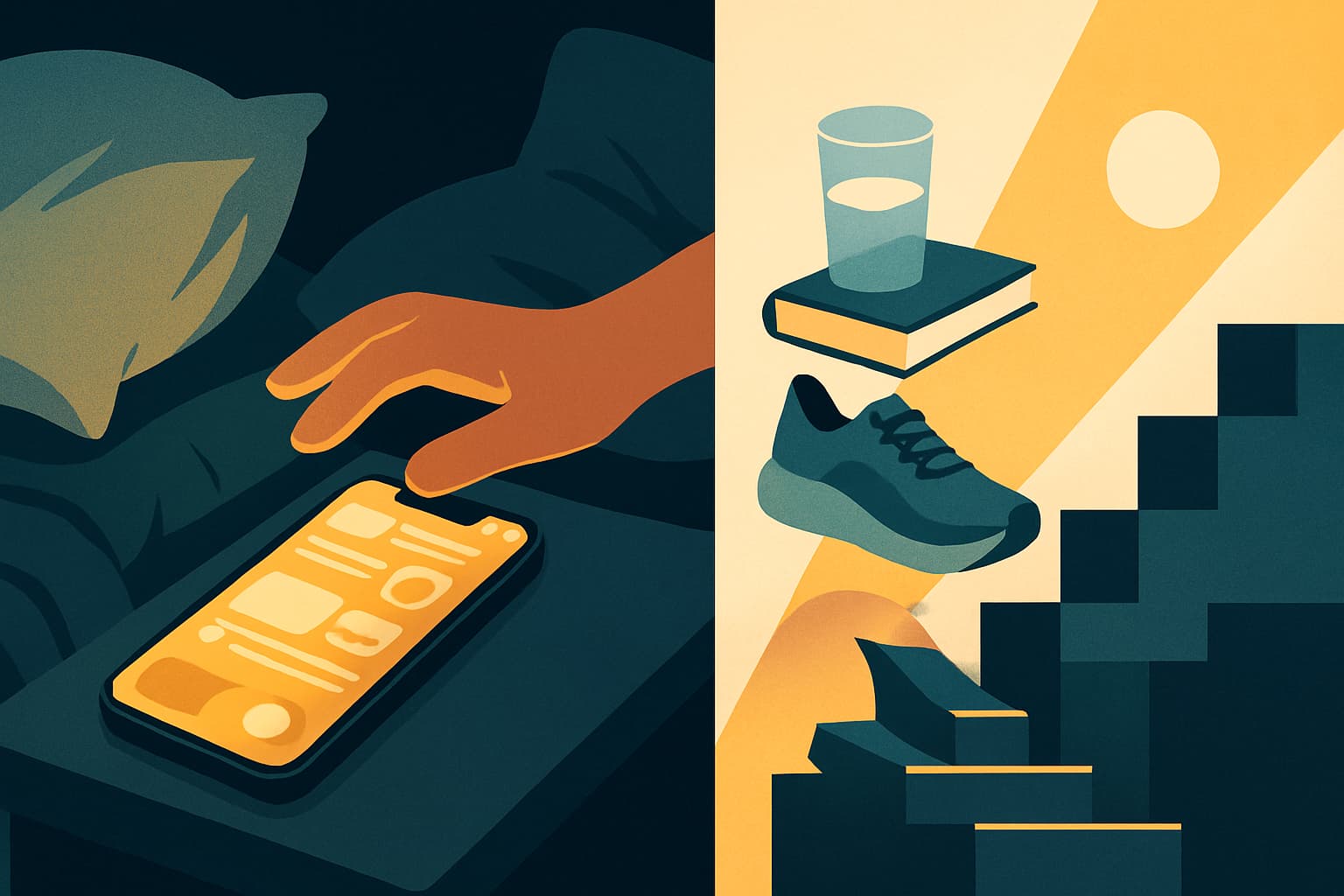
You know the scenario all too well: your alarm buzzes, your hand instinctively reaches for your iPhone, and before you're even conscious of the decision, you've tapped snooze. Again. Nine minutes later, the cycle repeats. This dance between your alarm and your pillow isn't just frustrating—it's actively undermining your goals and stealing your morning momentum.
The problem isn't your willpower or motivation. The real issue is that traditional alarms simply weren't designed to help you actually get up. They alert you to the time, sure, but they offer no support in that critical moment when your drowsy brain is negotiating with itself about five more minutes. That's where a wake up tasks app changes everything.
Instead of relying on noise alone, wake up task apps integrate purposeful actions into your alarm experience. By requiring you to complete specific missions—like taking a photo in your kitchen or bathroom—these apps ensure you're not just awake, but genuinely out of bed and ready to start your day. For iPhone users tired of the snooze-regret cycle, this shift from passive alarms to active morning tasks represents a practical path toward the consistent, productive mornings you've been working toward.
Why Traditional Alarms Fail Your Morning Routine
Traditional alarms operate on a fundamentally flawed assumption: that alerting you to the time is enough to motivate action. But anyone who has hit snooze repeatedly knows that awareness and action are two very different things.
When your alarm sounds, you're in your most vulnerable state. Your prefrontal cortex—the part of your brain responsible for decision-making and long-term planning—is still warming up. Meanwhile, the more primitive parts of your brain that prioritize immediate comfort are running the show. In this state, the path of least resistance always wins, and dismissing or snoozing an alarm requires minimal effort.
The standard alarm design actually enables this problem. Most iPhone alarms can be silenced with a single tap, often while you're still half-asleep. There's no friction, no requirement to engage your mind or body. You can silence tomorrow's ambitions without even opening your eyes.
This creates a destructive pattern. Each time you hit snooze, you're not just delaying your morning—you're training your brain that your alarm is negotiable. Over time, this erodes your trust in yourself and makes consistent wake times increasingly difficult to maintain. The gap between intention and execution grows wider with every compromised morning.
The consequences extend beyond just waking up late. Snoozing fragments your sleep, preventing you from getting quality rest in those extra minutes. You start your day already behind schedule, rushing through or skipping the morning habits that set you up for success. The momentum you need to tackle your priorities never builds, and the cycle continues.
The Power of Wake Up Tasks: Beyond the Snooze Button
A wake up tasks app fundamentally redesigns the alarm experience by introducing accountability at the moment you need it most. Instead of allowing you to dismiss your alarm with minimal effort, these apps require you to complete specific tasks before the alarm will stop.
The psychology behind this approach is sound. By requiring engagement, wake up tasks interrupt the automatic snooze response. When you need to solve a puzzle, answer questions, or complete a physical action, you activate your brain in ways that simple alarm dismissal doesn't. This cognitive and physical engagement serves a dual purpose: it helps you achieve genuine wakefulness while simultaneously proving to yourself that you're committed to getting up.
Different wake up tasks apps implement various types of missions. Some require math problems or memory games, forcing mental engagement. Others use barcode scanning, requiring you to physically walk to a specific location in your home. Still others employ shake challenges or step counters to get your body moving. Each approach aims to create enough friction that snoozing becomes more difficult than simply getting up.
The effectiveness of these tasks isn't just about difficulty—it's about creating a bridge from sleep to wakefulness. The best wake up tasks strike a balance: challenging enough to ensure you're genuinely alert, but not so frustrating that you'll simply turn off your phone or delete the app in a moment of morning resistance.
What makes this approach particularly powerful is that it addresses the behavior, not just the symptom. You're not trying to rely on willpower alone; you're implementing a system that works with your psychology rather than against it. The task becomes the commitment device that helps you honor your intention to wake up at a specific time.
How Wake Up Task Apps Build Consistent Morning Habits
Consistency is the cornerstone of any successful morning routine, and wake up task apps excel at building this consistency through several key mechanisms.
First, they create non-negotiable accountability. When you set up a mission-based alarm, you're establishing a contract with yourself that can't be easily broken in that vulnerable morning moment. The task requirement acts as a circuit breaker, interrupting the automatic behavior pattern that leads to snoozing.
Second, most wake up task apps incorporate progress tracking and streak features. Seeing your consistency visualized—whether it's days in a row successfully waking up or monthly completion rates—provides powerful motivation. This isn't abstract; it's concrete evidence of your commitment and progress. Each successful morning becomes part of a larger pattern you don't want to break.
The tracking aspect also provides valuable feedback. You can identify which days or conditions lead to struggles, allowing you to adjust your approach. Maybe weekends require different alarm settings, or perhaps certain task types work better for you than others. This data-driven approach helps you refine your system over time.
Third, wake up task apps help you build the bridge between waking up and starting your day productively. The mission you complete isn't just about turning off an alarm—it's the first action in your morning routine. When that task requires you to be in your bathroom or kitchen, you've already taken the first physical step toward getting ready or making breakfast. You've created momentum.
This momentum is crucial. Habit research consistently shows that the hardest part of any routine is simply starting. Once you're up and engaged in one task, continuing to the next becomes significantly easier. Your wake up task becomes the domino that tips the rest of your morning into motion.
Mission-Based Alarms: The RiseFrst Approach
RiseFrst takes a distinctive approach to the wake up tasks app concept through its mission-based alarm system. Rather than relying on puzzles or games, RiseFrst uses photo-based tasks that require you to physically move to a specific location and capture proof.
Here's how it works: when setting your alarm, you designate a mission—typically taking a photo of a specific object or location in your home. This might be your bathroom sink, your coffee maker, or even your front door. When your alarm sounds, you can't dismiss it until you're standing at that location, taking the required photo. The app verifies that you're completing the task in real-time, not using an old photo.
This photo-based approach offers several advantages. First, it's immediately clear whether you've completed the task or not—there's no ambiguity. Second, it requires genuine physical movement, ensuring you're not just tapping buttons from bed. Third, it's infinitely customizable to your space and preferences without requiring the app to provide hundreds of different task types.
The mission-based system integrates seamlessly into a broader morning routine builder. Once you're up and have completed your wake-up mission, you can chain together additional goals and habits. The alarm isn't just about getting you out of bed—it's about launching you into a purposeful morning sequence.
RiseFrst also recognizes that consistency doesn't mean inflexibility. The app offers different alarm setups for weekdays versus weekends, and allows for focused morning modes when you need extra structure. This flexibility helps you maintain your streak even when circumstances vary, building long-term consistency rather than rigid rules that break at the first exception.
Progress and streak tracking provide that crucial visibility into your patterns. You can see your momentum building over days and weeks, creating positive reinforcement that makes each successful morning feel like an investment in a larger goal.
Choosing the Right Wake Up Task App for Your iPhone
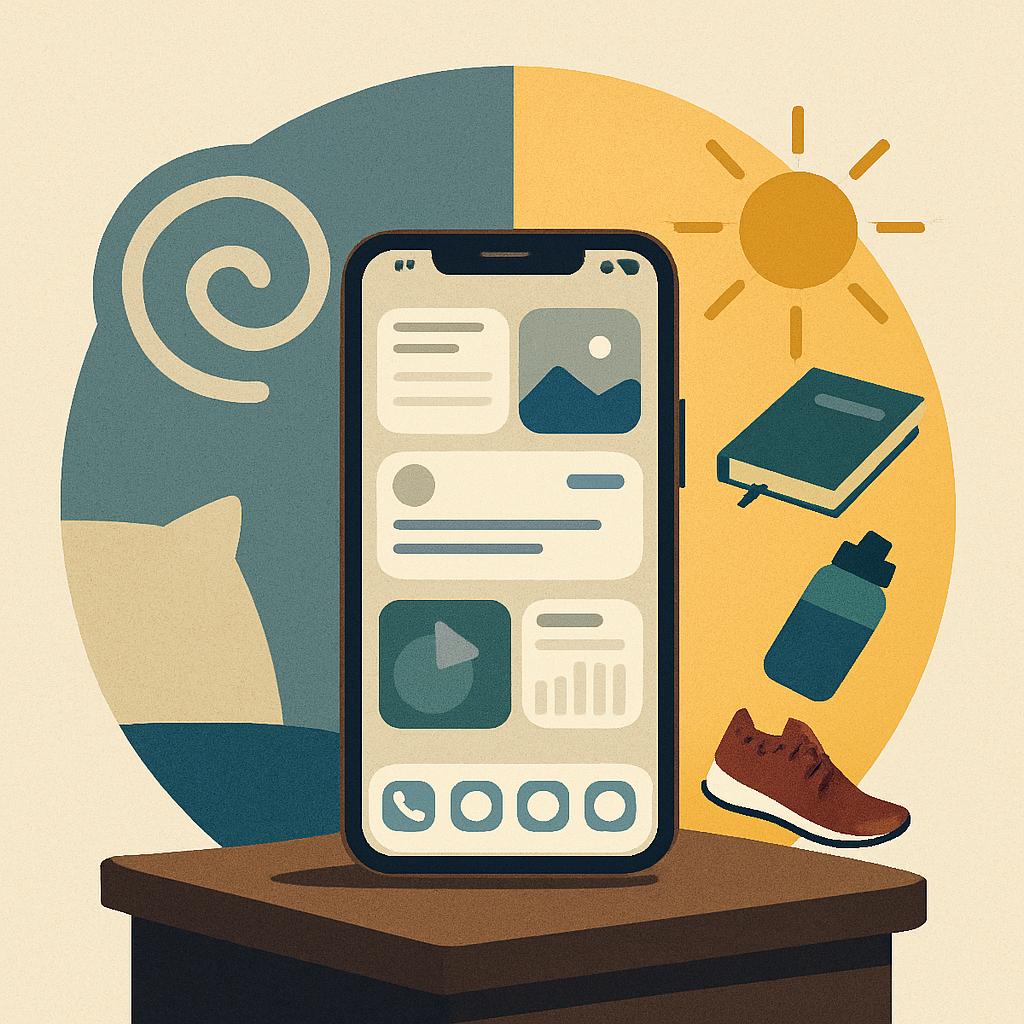
With numerous wake up task apps available for iPhone users, choosing the right one depends on understanding your specific challenges and preferences.
Consider first what typically defeats your morning intentions. If you're someone who can hit snooze while barely conscious, you need an app with tasks that require significant engagement—physical movement rather than mental puzzles you might solve on autopilot. If your issue is inconsistency rather than snoozing, look for apps with robust tracking and streak features.
Task variety matters, but not always in the way you might think. Some apps offer dozens of different task types, which can be engaging initially but may become overwhelming. Others, like the iPhone alarm app with mission-based alarms, focus on a single, proven approach and execute it exceptionally well. Neither is inherently better—it depends on whether you value variety or simplicity.
Evaluate the friction level honestly. An app that makes it too easy to disable or skip tasks won't solve your problem. But one that's so demanding you're tempted to uninstall it after a few frustrating mornings won't work either. Look for options that let you calibrate difficulty to your needs.
Integration with your broader routine should be a key consideration. A wake up task app shouldn't exist in isolation—it should be part of a larger morning system. Apps that help you build and track complete morning routines, not just the wake-up moment, provide more comprehensive support for establishing consistency.
User interface and experience matter more than you might initially think. You'll be interacting with this app in your groggiest state, often in low light. An intuitive, clearly designed interface reduces the chance that you'll fumble with settings or accidentally disable features when you're barely awake.
Finally, consider the sustainability of the approach. Some gamified apps rely on novelty that may wear off. Others build habits through straightforward accountability and progress tracking that remains effective long-term. Think about what will motivate you not just next week, but three months from now.
Maximizing Your Mornings: Integrating Wake Up Tasks with RiseFrst
Getting out of bed consistently is the foundation, but the real goal is building mornings that give you momentum for your entire day. Here's how to maximize the impact of wake up tasks within a comprehensive morning system.
Start by designing your mission strategically. Your wake-up task should naturally lead into your next desired action. If you want to establish a morning hydration habit, set your mission photo at your kitchen water glass. If exercise is your priority, place your mission object near your workout space. The physical location of your task becomes the launchpad for your next habit.
Once you're reliably completing your wake-up mission, build your routine in layers. Don't try to create an hour-long perfect morning routine on day one. Instead, establish the wake-up habit first, then gradually add elements. This staged approach, supported by RiseFrst's routine builder, helps you create sustainable change rather than overwhelming yourself.
Use your tracking data actively, not passively. Review your weekly consistency patterns. Celebrate the wins—each successful streak is evidence of your capability. When you notice patterns of struggle, adjust rather than judge. Maybe you need an earlier bedtime on certain nights, or perhaps your weekend alarm time needs recalibration.
Protect your streak, but don't let perfection become the enemy of consistency. Life happens. The goal isn't to never miss; it's to get right back on track when you do. A wake up tasks app helps you maintain consistency precisely because it makes the success criteria clear and achievable, even on challenging days.
Consider how your morning momentum affects your entire day. Most people find that starting the day with a small win—successfully getting up when planned—creates positive ripple effects. You're more likely to make other goal-aligned choices throughout the day when you've already proven to yourself that you can follow through on commitments.
Finally, adjust your approach as your confidence and consistency build. What feels challenging in week one may feel routine by week four. This is progress. You might increase your morning routine's complexity, try earlier wake times, or add additional goals. Your wake up task remains the anchor, but your morning can evolve as you grow.
Conclusion
The journey from struggling with oversleeping to owning your mornings doesn't require superhuman willpower—it requires the right system. A wake up tasks app provides that system, transforming your alarm from a noise you dismiss into a purposeful action that launches your day.
For iPhone users tired of the snooze-regret cycle, mission-based alarms offer a practical solution grounded in behavioral psychology. By requiring genuine engagement at the moment of waking, these apps help you bridge the gap between intention and action. The result isn't just waking up on time—it's building the consistency and momentum that carry you toward your larger goals.
Your morning sets the tone for everything that follows. When you start with a win, honoring your commitment to yourself, you build trust in your ability to follow through. That confidence compounds across days and weeks, creating the foundation for lasting change.
The alarm that's been your adversary can become your ally. With the right approach, waking up shifts from something you dread to something you simply do—consistently, reliably, and without drama. That's the power of purposeful tasks and the promise of mornings reclaimed.
Frequently Asked Questions
How does a wake up tasks app prevent me from just turning off my phone?
Most wake up task apps include features that make dismissing alarms difficult, such as requiring specific actions before turning off, making sounds persist until task completion, or tracking when you force-close the app. The key is choosing settings that create enough accountability to interrupt automatic snooze behavior without being so restrictive that you'll abandon the app entirely.
What type of wake-up task is most effective for breaking the snooze habit?
Photo-based tasks that require physical movement to a specific location tend to be highly effective because they combine cognitive engagement with physical action. Once you're standing in your bathroom or kitchen taking a photo, you've overcome the hardest part—actually getting out of bed. Tasks that only require mental engagement can sometimes be completed while still lying down.
Can I use a wake up tasks app on weekends or days when I want to sleep in?
Yes, most wake up task apps including RiseFrst offer flexible scheduling that lets you set different alarms for weekdays and weekends, or disable alarms on specific days. The goal is building consistency in your routine, not rigid rules that don't accommodate your life. You can maintain your weekday momentum while still allowing appropriate flexibility for weekends.
How long does it take to build a consistent wake-up habit with a tasks app?
Most people begin seeing consistency improvements within the first week, though building a truly automatic habit typically takes three to four weeks of daily practice. The mission-based approach helps accelerate habit formation because it creates immediate accountability and tracks your progress, making each successful morning feel like part of a meaningful pattern you want to maintain.
Will a wake up tasks app work if I'm naturally not a morning person?
Yes. Being a morning person is less about natural preference and more about consistent sleep and wake times. A wake up tasks app helps you establish that consistency by making it easier to get up at the same time daily, which gradually adjusts your body's natural rhythm. Many self-described night owls find that consistent wake times, supported by accountability tools, help them reclaim their mornings regardless of their previous patterns.
Ready to break the snooze habit and reclaim your mornings? Download RiseFrst and experience how mission-based alarms can transform your wake-up routine. Your consistent, productive mornings start tomorrow—take the first step today.